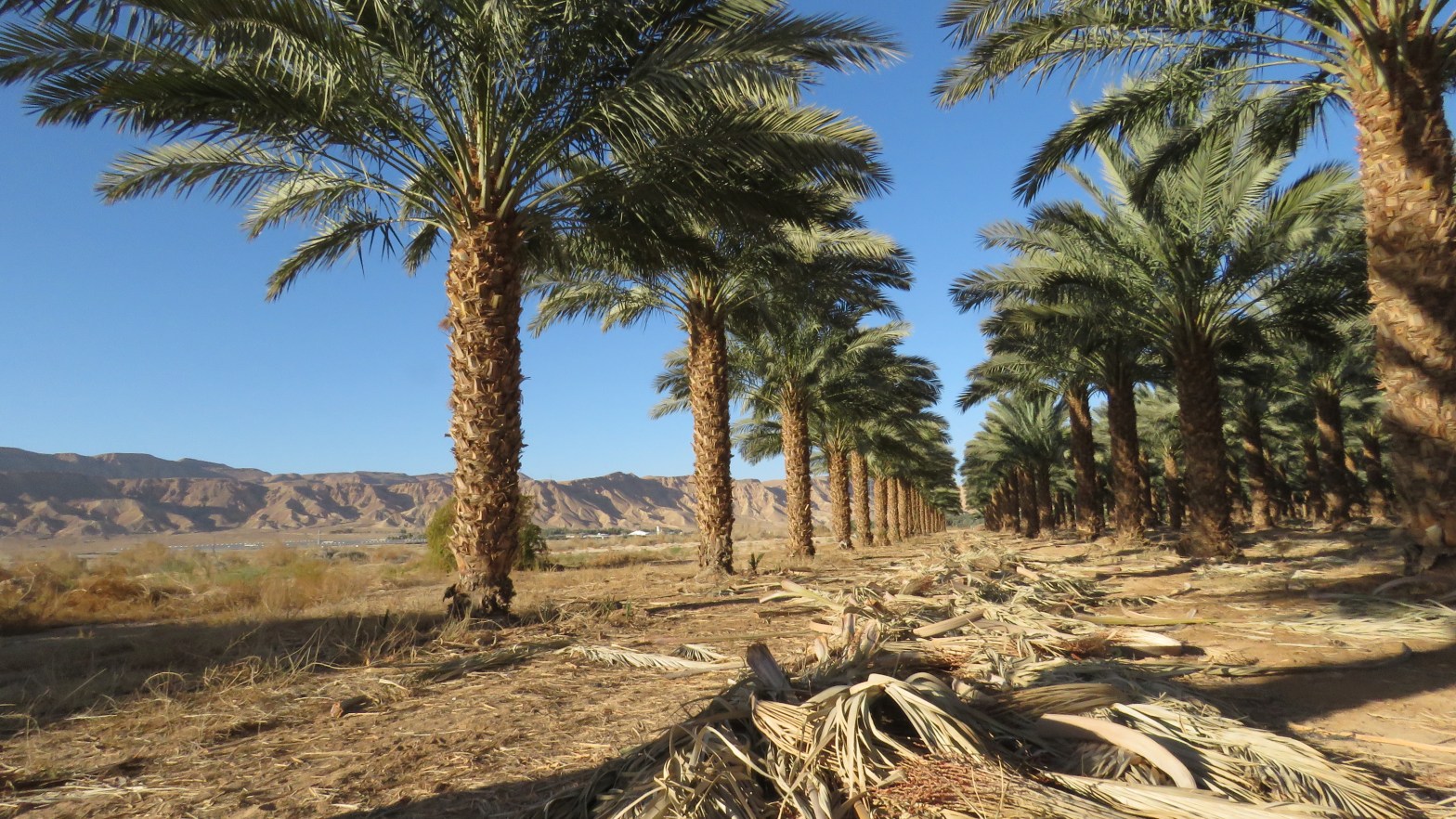
A few decades ago, backpackers flocked to Israel to volunteer on kibbutzim, small farming communities where, originally, everything was shared among all members. Many kibbutzim also established factories to supplement their income and volunteers from around the world came to work in the fields, factories, dining, and other parts of the kibbutz. Unfortunately, due to economic hardships and young people moving away from kibbutzim, most have now privatized and have become indistinguishable from regular towns.
However, though the volunteer program has shrunk significantly, it is still possible to volunteer on a kibbutz. There are now only 23 kibbutzim that accept volunteers, and, on many of them, there aren’t more than ten volunteers at a time, though some of the larger ones take around 40.
So, what do you actually do on a kibbutz?
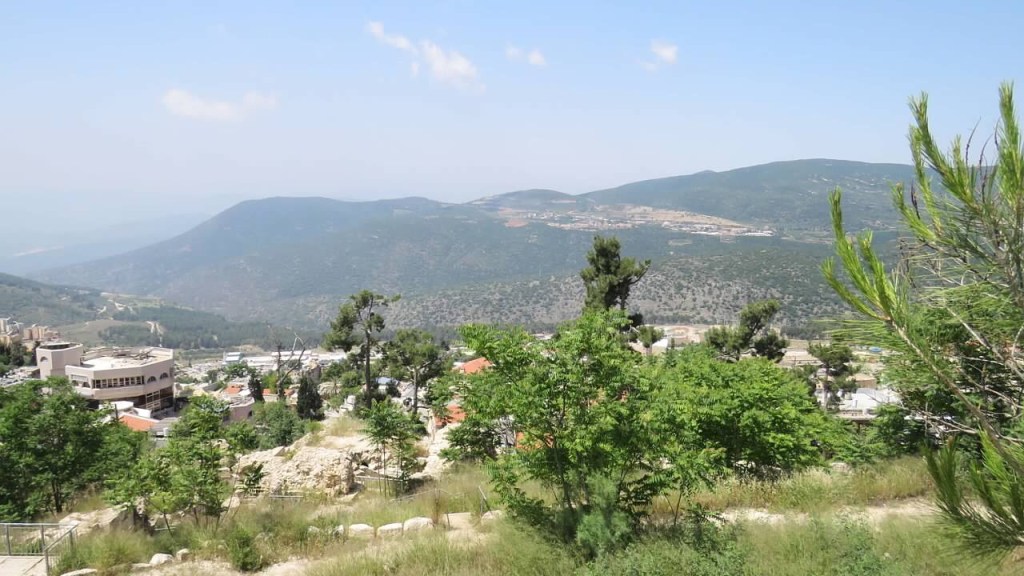
This really depends on where you go and, in most cases, you don’t know which job you will be doing until you arrive on the kibbutz. I chose to go to a kibbutz in the Negev where all the volunteers worked on the date farm because it sounded really fun (and it was!!), but for the other options I was given, I had no idea where I would have worked. I later decided to move to a kibbutz in the north to see a different part of the country. There, people worked in the kitchen, dining room, orchards, apple factory, medical factory, and gardening, and many (but not all) volunteers changed jobs after a couple months or so.
During my time in the dates, we harvested the fruits, fixed irrigation pipes, cut and raked branches, cut the spikes off the branches, and pollinated the flowers. We worked six days a week, with Saturday off, from 6:00 am till 3:00 pm. The orchards on Bar’am, my second kibbutz, had a similar schedule. You can take a few extra days off every month, though the exact number and the way you can spread them out varies by kibbutz. I liked to take off a few days in a row so that I could travel somewhere further away.
In return for your work, you get accommodation, which is usually shared, and food. Kibbutzim that have not privatized have a buffet-style dining room that is open for everyone to take what they want. On other kibbutzim, you get an account with money on it to spend in the dining room (and sometimes also the shop if you need to cook some meals yourself). You also get some pocket money, which I used to pay for my travels during my days off. Volunteer leaders usually organize a day trip every few weeks and overnight trips every few months.
The volunteers come from countries all over the world and everyone comes for a different reason. Some want to explore the country, others spend their days off partying, others want to escape something from back home. Either way, you’re bound to meet some interesting people. You might also work with some Israelis, though this depends on the kibbutz.
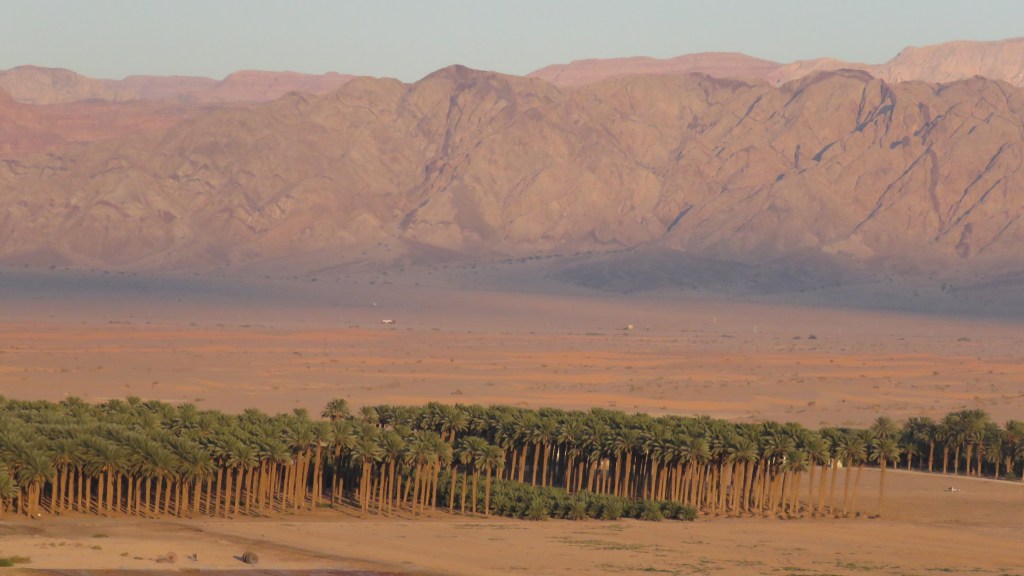
Every kibbutz has its own personality – some are known for their hippy vibe, others for art or parties. You don’t know where you will end up, but that’s part of the adventure! I really loved my time as a volunteer: the work was a lot of fun, I met some wonderful people, and I got to live in the most beautiful part of the Negev for half a year. Volunteering also allows you to spend enough time in the country to learn about its complex history and different cultural groups that are part of Israel. If you want to spend a long period of time in Israel, I would highly recommend volunteering on a kibbutz before they disappear!
 Off the Map Journeys